You can run the tidiest and best-managed waste site in the country and still lose a machine to a fire you did nothing to cause.
That's the hard truth of the waste and recycling industry: the materials you handle are combustible, the machines that process them run hot, and the build-up of dust and debris is unavoidable.
There’s only so much you can do to reduce the risk of fire so much in this sector. But there are plenty of ways to protect your equipment, staff and livelihood.
The Risk of Waste and Recycling Fires Is Real and Growing
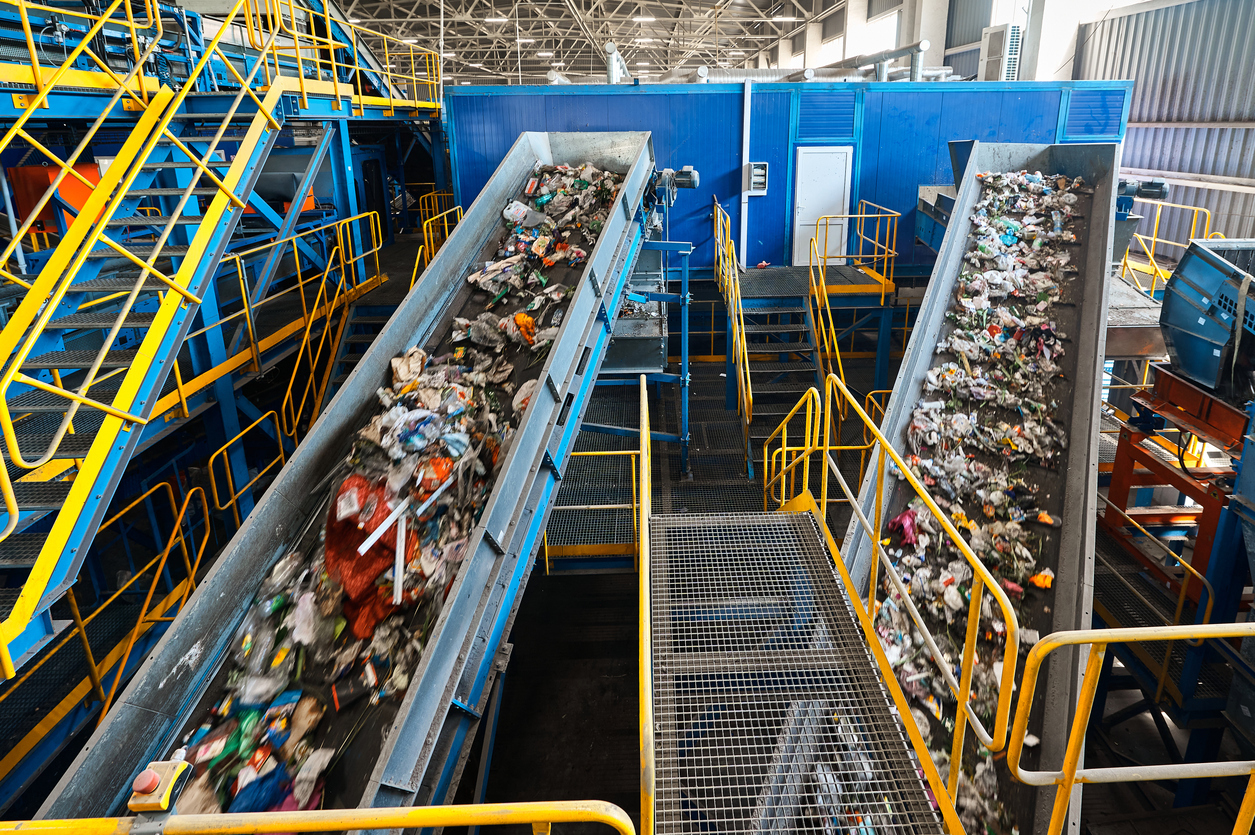
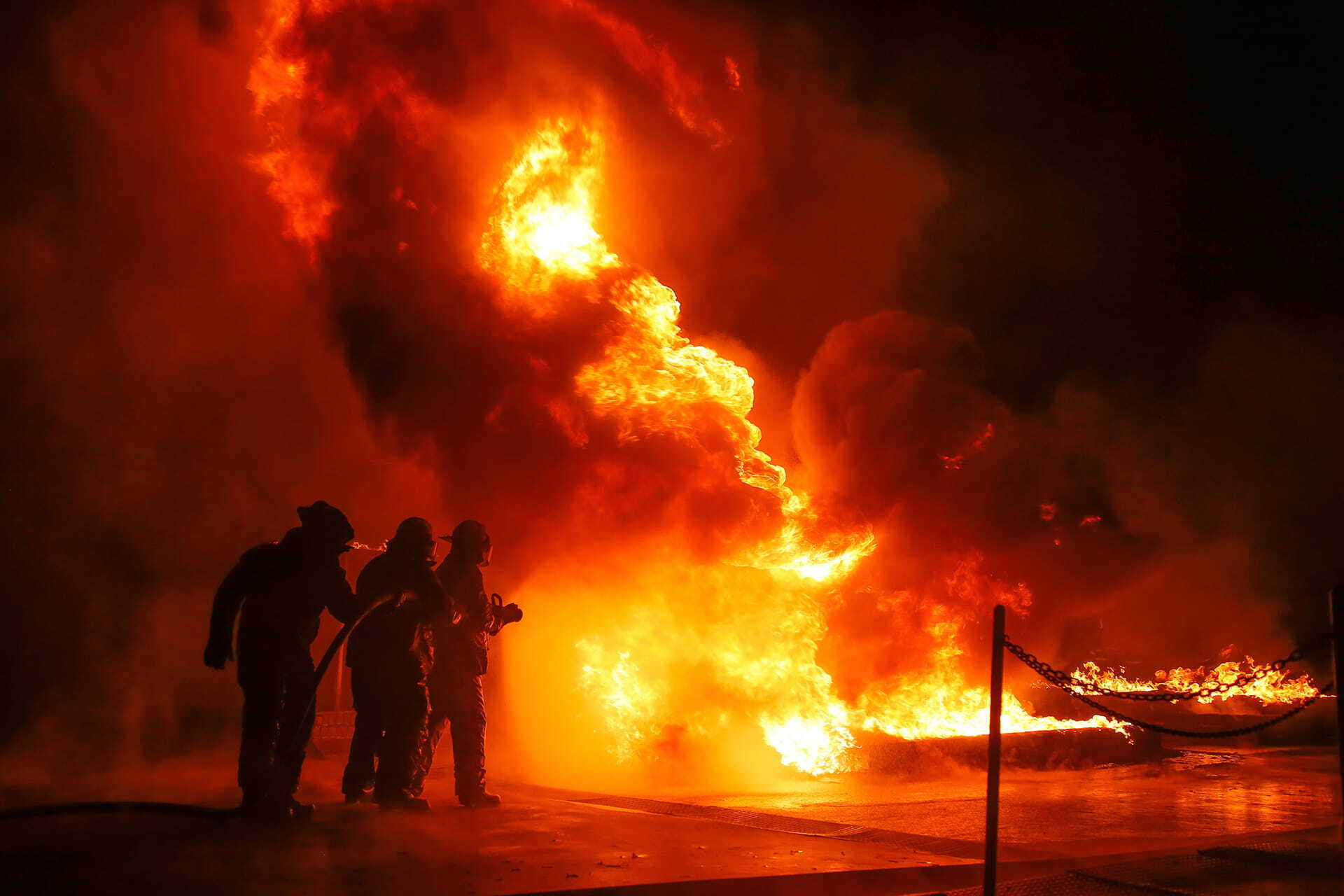
Waste sites are home to almost every ingredient a fire needs, including a constant supply of combustible material, hot machines running for long hours, dust and debris. One spark in the wrong place can ignite a fire that consumes millions of pounds of expensive equipment and shuts down the site for weeks.
Fires are commonplace. In 2023, fire and rescue services fought around 300 significant fires at waste management sites.
Unfortunately, that number is spiralling due to a sudden surge in battery use. According to The Environmental Services Association, more than 1200 battery-related fires occurred at UK waste facilities and refuse vehicles between 2023 and 2024, a 71% increase over the previous period.
High Costs Put Businesses at Risk
The cost of waste and recycling fires is staggering. Battery fires alone cost the UK waste sector over £1 billion a year, up from £150 million in 2021. Around six billion batteries are thrown away in the UK annually, many hidden inside vapes, toothbrushes and phones that aren’t properly disposed of. Once they're punctured or crushed during processing, they can ignite the dry waste around them.
One of the reasons the cost is so high is the number of expensive pieces of equipment and machinery at risk. In a standard waste yard, that could include:
- Shredders such as the Doppstadt AK 565, which generate a significant amount of friction and heat through daily operation.
- Material handlers like the Liebherr LH22, which grab and sort mixed waste all day. Combustible residue collects around the engine bay, which can be set off by an electrical fault.
- Wheel loaders such as the Liebherr 556, which push and load huge volumes of material for long hours
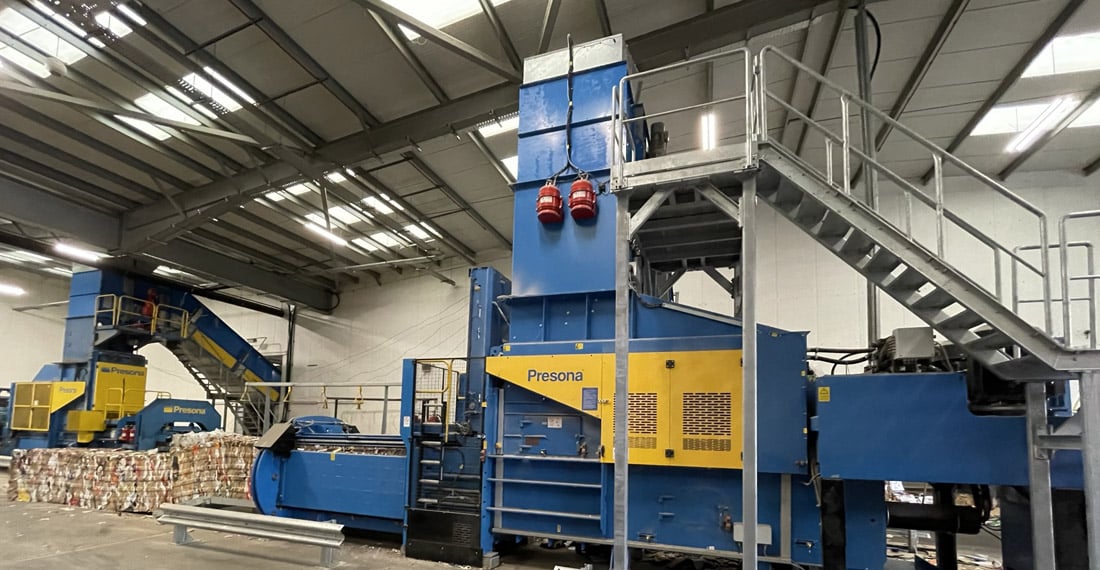
- Balers like the Witham Mills Baler, which compress paper, card and plastic, running for long stretches often without attendance.
The long hours, intense heat and combustible material make fire suppression systems a worthwhile investment. In the first six months of 2026 alone, Fireward's fire suppression systems prevented the total loss of 26 machines and pieces of equipment, protecting £8.57 million worth of waste, recycling and industrial assets from fire.
But the cost doesn’t stop at the machinery. Even a small fire can bring waste sites to a halt as safety precautions must be taken and areas of the site cordoned off. The loss of earnings caused by downtime can be even longer if businesses need to wait for replacement equipment or a visit from their insurer.
Fortunately, automatic fire suppression systems can protect this expensive equipment, suppressing fires in seconds before they cause widespread damage.
How to Protect Waste and Recycling Machinery With a Market-Leading Fire Suppression System
Our fire suppression systems for the waste and recycling industry use pneumatic detection to detect fires at their earliest stages.
Pressurised tubes run throughout the equipment’s hazardous areas, including the engine compartment and hydraulic system.
When the tube is exposed to heat or flame exceeding 180°C, it ruptures at the exact point of ignition. This causes an instantaneous pressure drop, opening the cylinder valve and discharging the suppression agent. Strategically placed discharge nozzles are positioned to discharge the suppressant to ensure full coverage of an engine bay or other risk area, reaching hidden flames, too.
A dual-agent system makes fire control even more effective. First, dry powder is released to knock down the flames rapidly. A wet chemical agent follows, delivering prolonged cooling of the superheated components.
No electrical power or human intervention is required. The system is entirely self-contained and operates independently of the machine's electrical system. That means it remains active 24/7, whether the machine is running or parked up overnight.
Fireward Protects Every Sector of the Waste and Recycling Industry
The waste and recycling industry is large and diverse, with each sector having its own specialist equipment and risks:
- Scrap metal recycling, which relies on material handlers to sort and load scrap metal. Contaminated loads, mixed electricals and hidden batteries make ignition a real and constant threat.
- Wood waste recycling, which runs on shredders. Friction, fine dust and the sheer amount of combustible material create textbook fire conditions.
- Commercial and industrial (C&I) waste, which depends on balers to compact paper, cardboard and packaging, some of the most flammable material on any site.
- Green waste and composting, which use a mix of machinery, from loaders to shredders. Decomposing material can generate heat on its own, adding to the risk from the equipment working it.
- Construction and demolition (C&D) recycling, which uses wheel loaders to move material across sites. Heavy waste products and long hours put engines and hydraulic systems under real strain.
At Fireward, we protect all of the sectors above. For example, Thalia Waste Management in Waterbeach, Cambridgeshire, recently chose Fireward to retrofit an automatic fire suppression system to the business's new Bomag BC973 Landfill Compactor. Read the case study to learn more.
Why Recycling and Waste Management Leaders Choose Fireward
We are the UK's leading provider of automatic fire suppression systems for vehicles, mobile plants, machinery and other specialist assets. We have installed systems on more than 10,000 assets across the UK, working with leading manufacturers and operators in waste and recycling, as well as dozens of other industries.
When you choose Fireward, you benefit from:
- 24/7 autonomous protection. Our systems operate without power or driver intervention, protecting your site every hour of every day.
- Ultra-fast detection and activation. Our systems respond in seconds, making them among the fastest-acting systems on the market.
- Nationwide installation and servicing. Our field engineers are located across the UK, installing and servicing systems with minimal disruption to waste and recycling operations.
- Three-year parts and labour warranty. All vehicle and plant systems come with a three-year warranty as standard. All systems are backed by a six- to twelve-month servicing programme to keep your system performing exactly as designed.
- Full accreditation. Our systems are third-party certified to P-Mark SPCR183, P-Mark SPCR199 and AS-5062:2016, with additional clean agent accreditations to UL 2166 and LPS 1666 for electrical control unit or cabinet protection.
Take the first steps to protecting your recycling and waste management machinery and wider site today.
Protecting People and Assets 24/7
To find out more about Fireward’s Automatic Fire Suppression systems, get in touch by calling 0800 151 0249 or email at: sales@fireward.co.uk.